Customize my trip


Quintana Roo Tours: Where the Jungle Meets the Caribbean Sea
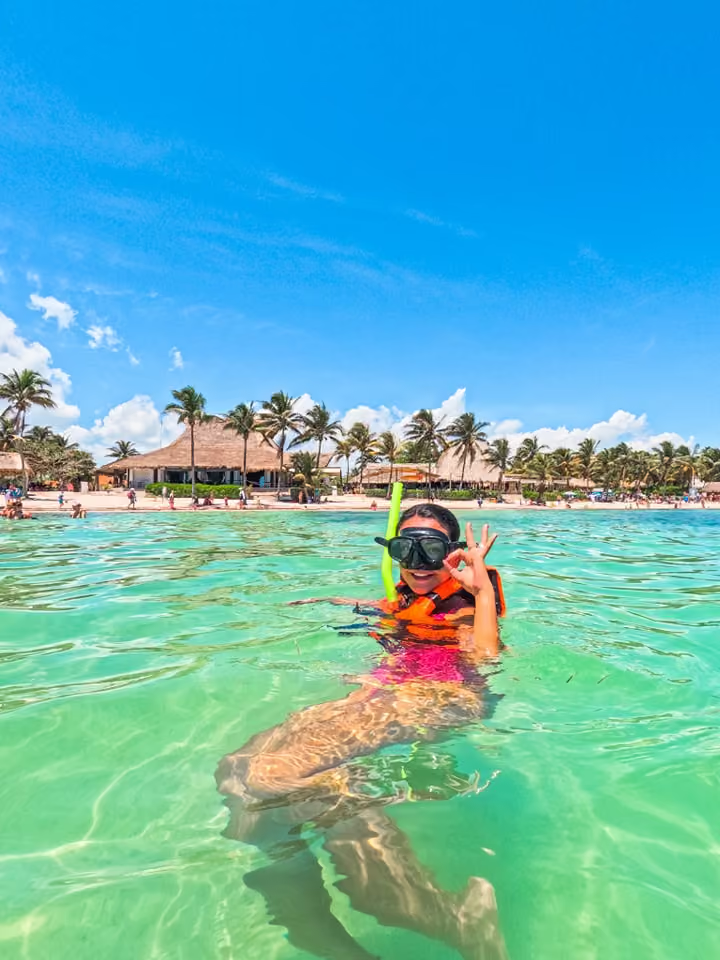
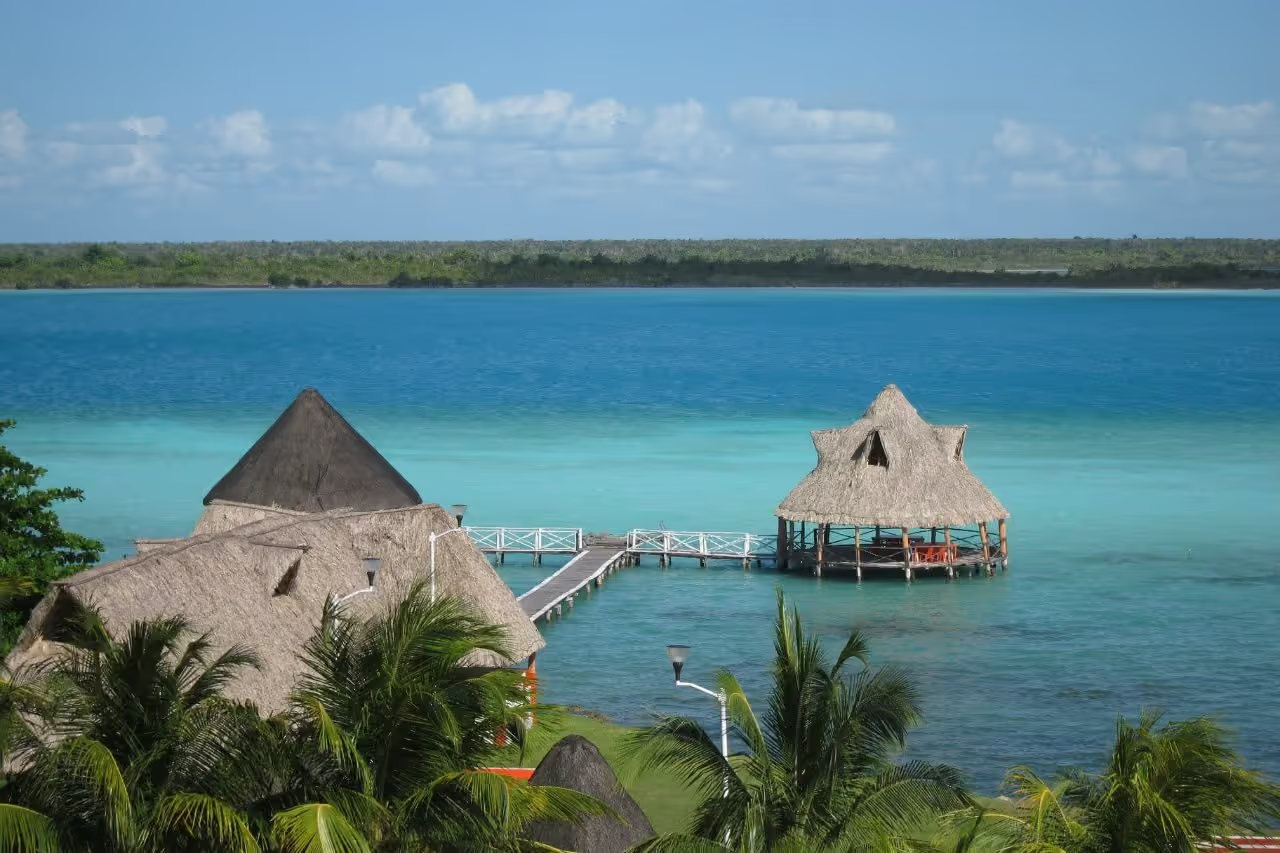
Welcome to Quintana Roo, Mexico's Caribbean coast, where a lagoon can shift through seven shades of blue in a single afternoon and a bike ride through Tulum's historic center tells you more than another afternoon at a beach club ever could. We'll take you past the all-inclusive strip and into car-free islands, fishing cooperatives, protected biosphere reserves, and cenotes carved into jungle limestone.
Itineraries by duration:
Itineraries by interest:
By destinations:
A Coastline Built on Reef and Ruins
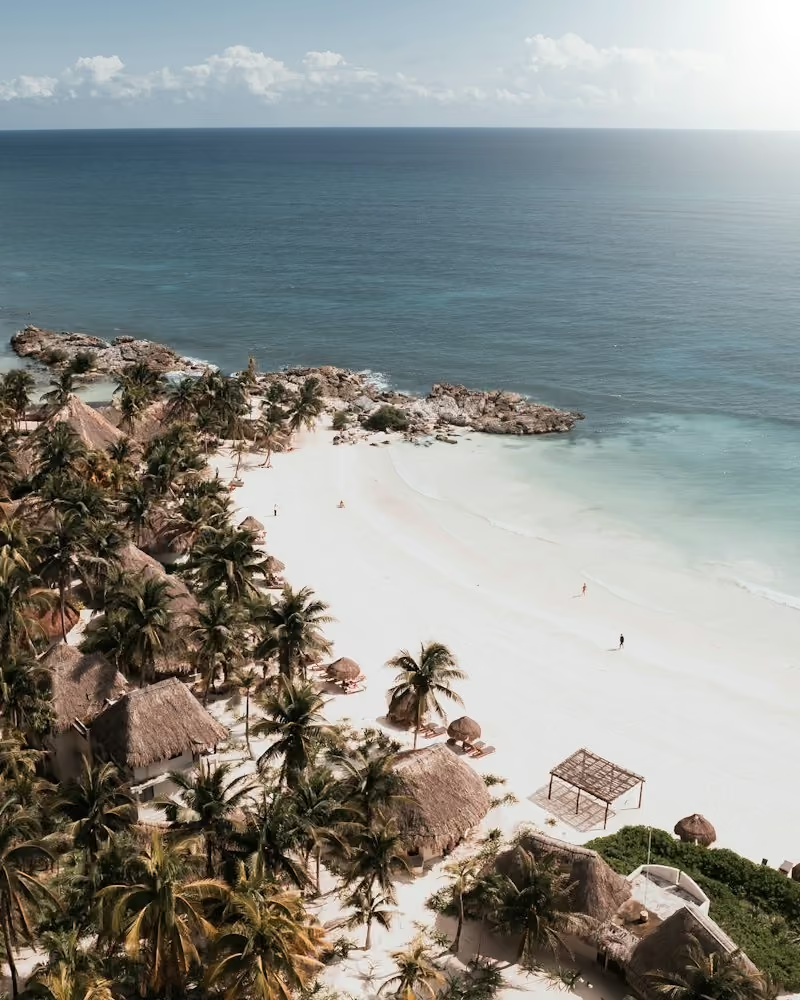
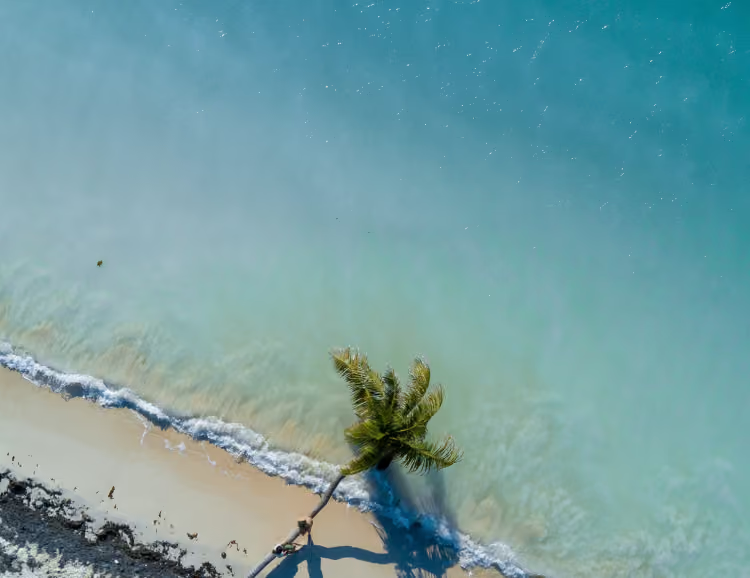
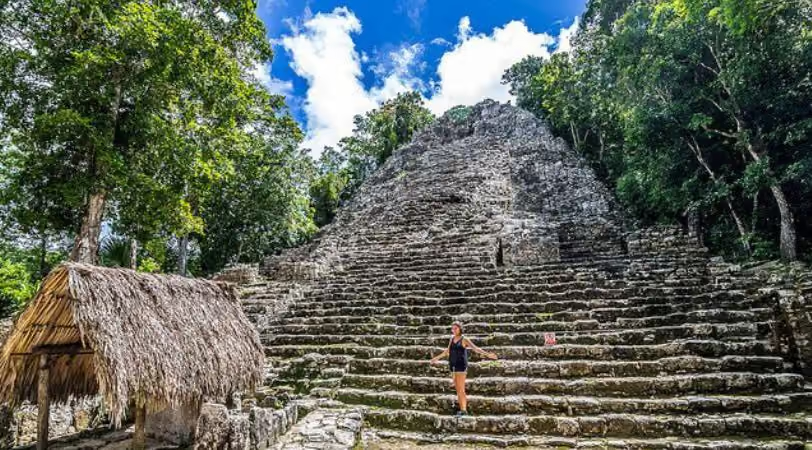
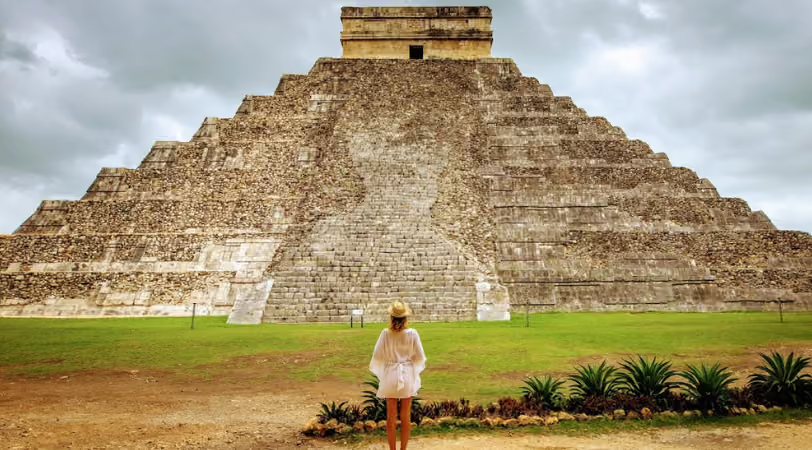
Quintana Roo sits along the Great Mesoamerican Reef, the second-largest barrier reef system in the world, and its coastline is dotted with Maya sites that once served as ports and ceremonial centers. Tulum's 13th-century ruins are the best known, perched directly on a cliff above the Caribbean, but the reef and the jungle inland hide cenotes, biosphere reserves, and fishing villages that see a fraction of Tulum's crowds.
Quintana Roo for Every Kind of Traveler
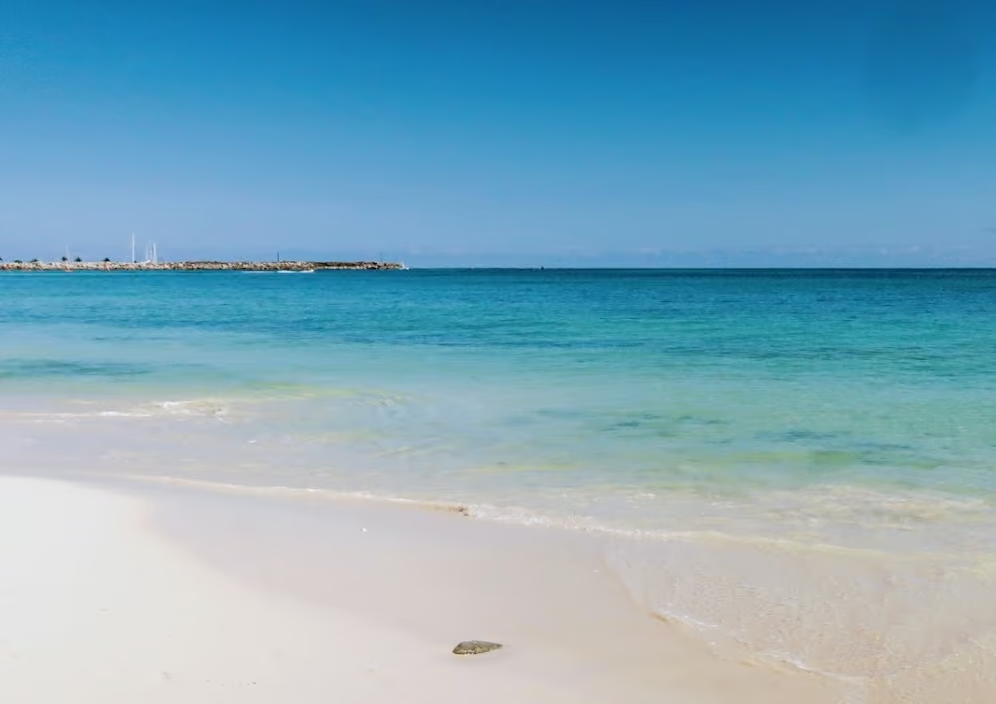
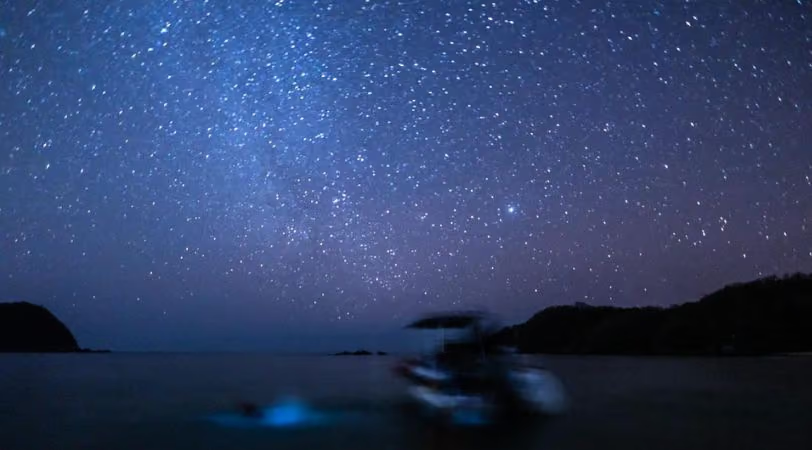
If beach time is the priority, choose between Tulum's eco-chic clubs and the quieter sand of Puerto Morelos, a fishing-village alternative to Cancún with its own protected reef. Want wildlife instead? Head to Holbox Island for seasonal whale shark swims and nighttime bioluminescence, or south into the Sian Ka'an Biosphere Reserve, where a local fishing cooperative in Punta Allen leads the boat tours, hikes, and kayak trips through the reserve themselves. Chasing that seven-shades-of-blue color? Bacalar is toured by sailboat instead of motor. And if you dive, some of the best underground swimming in Mexico is scattered across the Riviera Maya, from Tulum to Playa del Carmen.
Islands, Lagoons, and a Living Reef
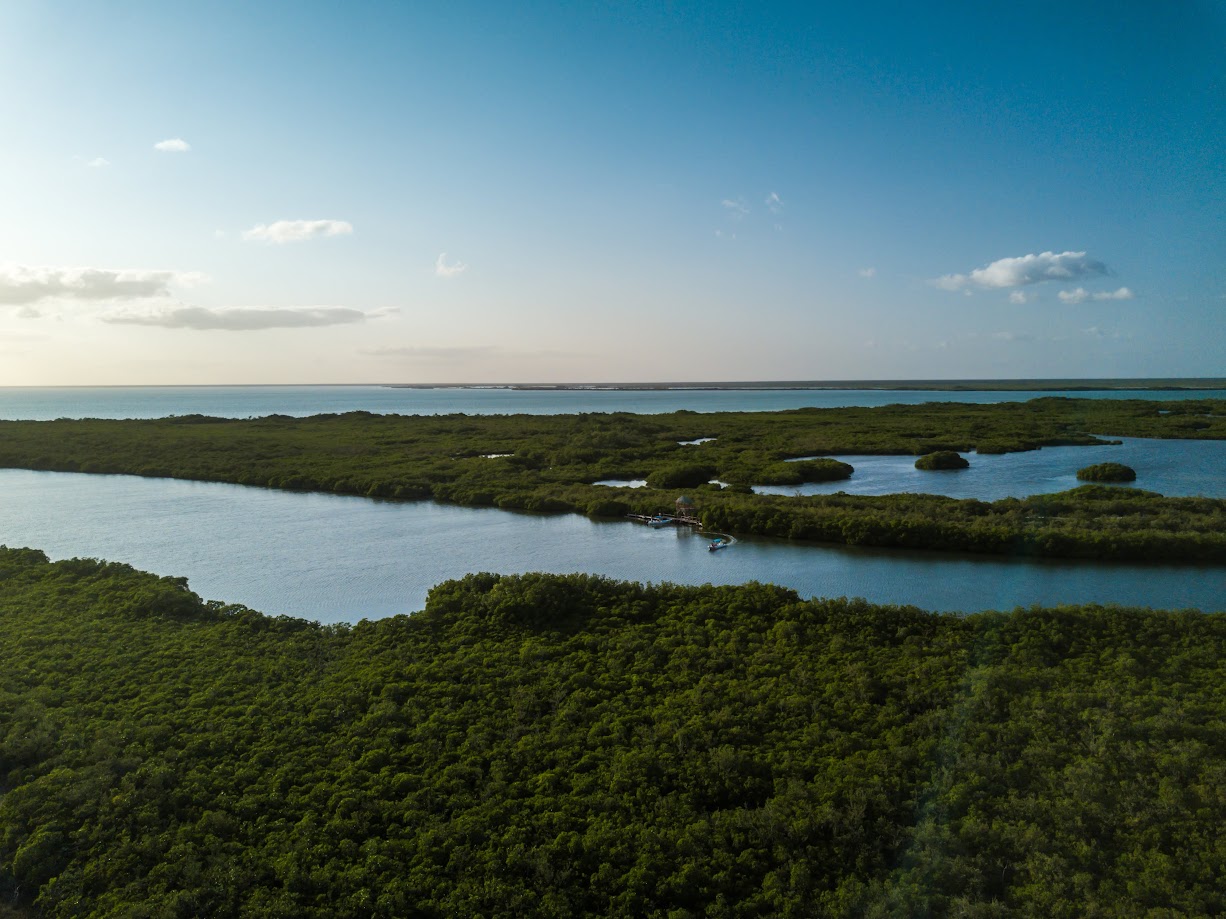
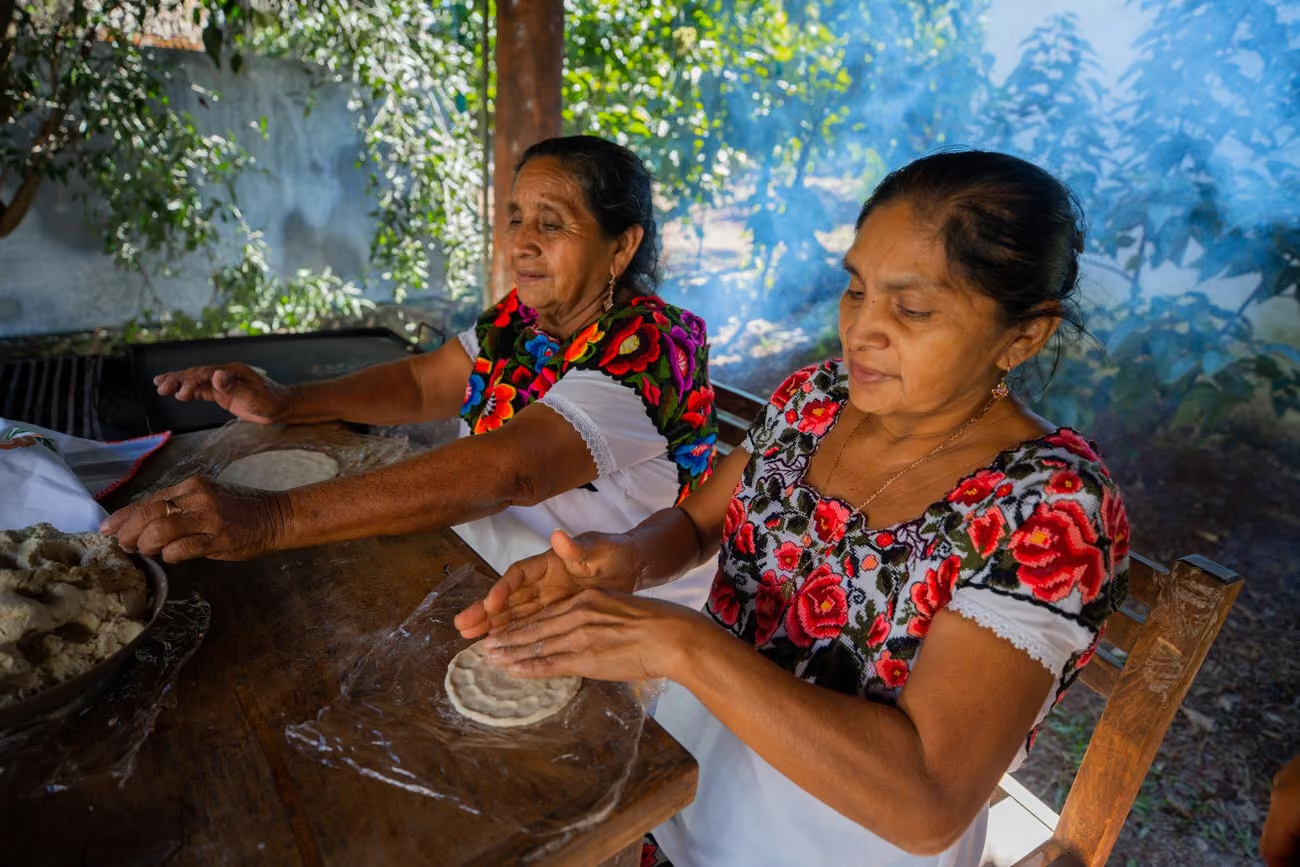
Tulum anchors most Riviera Maya itineraries: cliffside ruins in the morning, a bike ride through the historic center by afternoon (ask about the area's Mayan beekeeping traditions along the way), and some of the region's best-known cenotes a short drive inland. Just south, the Sian Ka'an Biosphere Reserve protects over 600,000 hectares of jungle, mangrove, and reef, with the Muyil archaeological site, where the Muyil Community Center runs a mangrove-channel float and a traditional meal alongside the ruins, and the small fishing village of Punta Allen as its main access points.
North of Cancún, Holbox Island trades cars for golf carts and bicycles, with mangrove kayak tours and, in season, some of the most reliable whale shark encounters in Mexico. Inland and south, Bacalar's Lagoon of Seven Colors and its historic Pirates' Channel offer a freshwater counterpoint to the Caribbean coastline, proof that Quintana Roo's best water isn't always the sea.
Must-Visit Spots
Quintana Roo runs from cliffside ruins to freshwater lagoons, with a few community-run stops in between. Here's where we'd start.
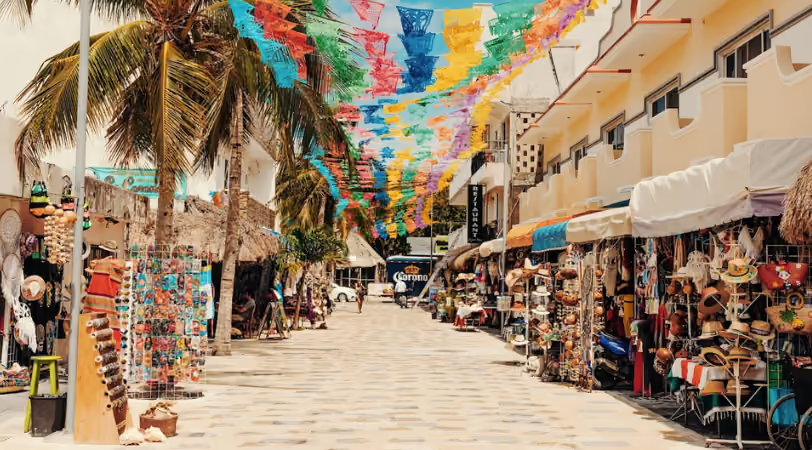
Tulum's Historic Center. Skip the beach clubs for an afternoon and bike through town instead, where a local guide can walk you through the area's Mayan beekeeping traditions between stops at the ruins and cenotes nearby.
Bacalar. A freshwater lagoon that shifts through seven shades of blue, explored by sailboat along its historic Pirates' Channel.
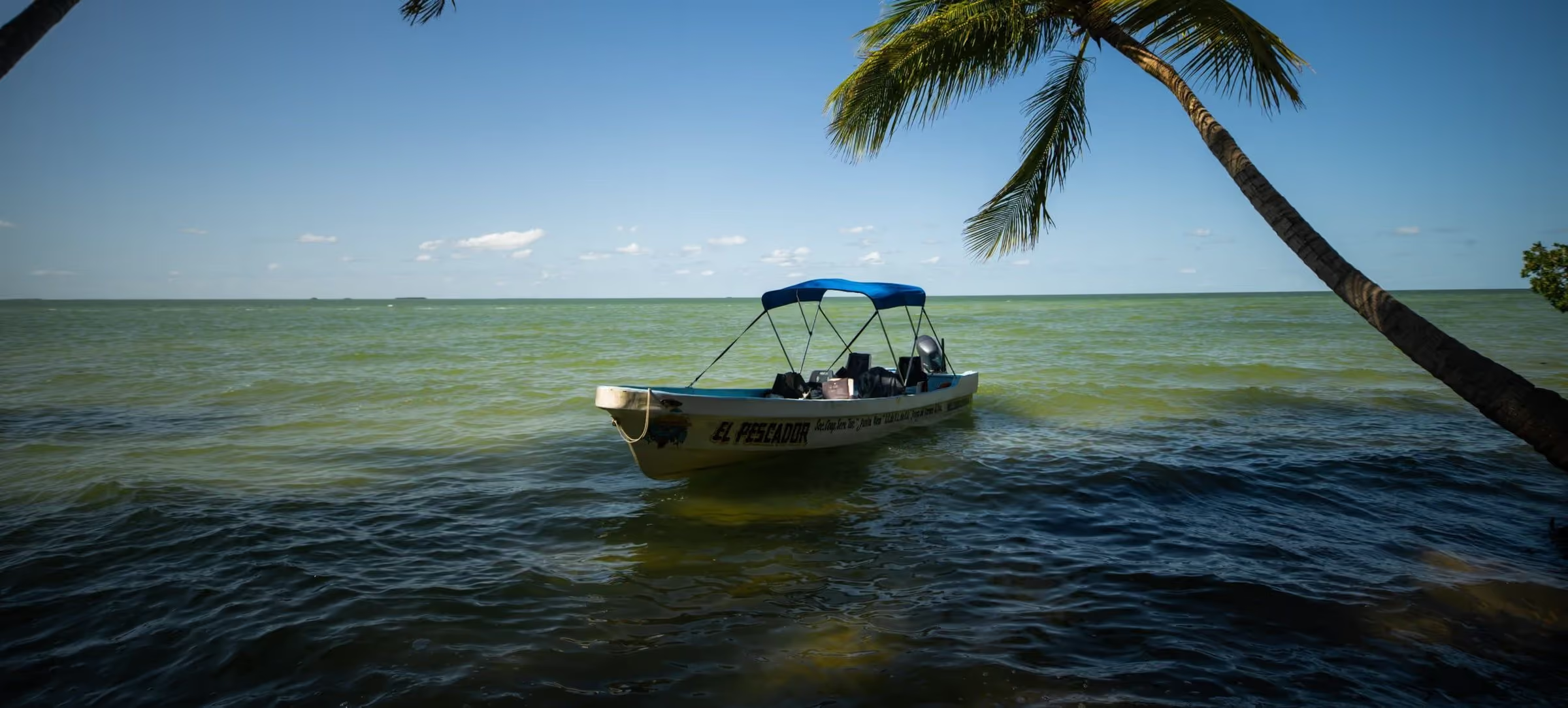
Sian Ka'an Biosphere Reserve and Punta Allen. A 600,000-hectare UNESCO-listed reserve of jungle, mangrove, and reef, where the local fishing cooperative in Punta Allen leads the tours themselves.
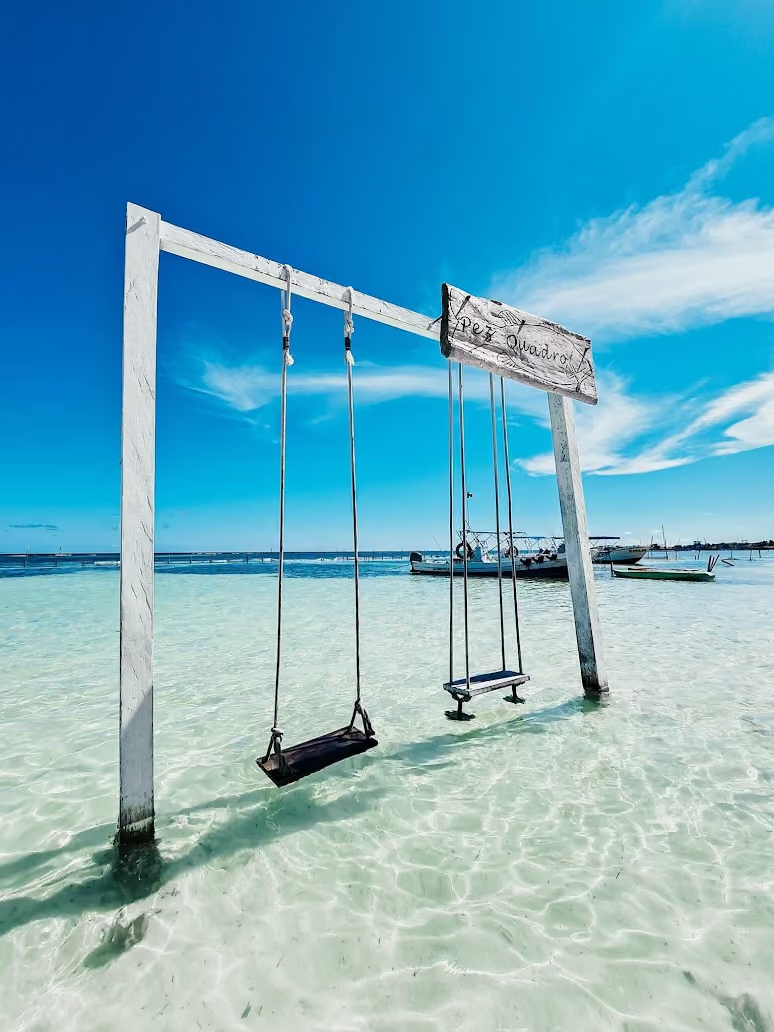
Holbox Island. A car-free Caribbean island known for powdery sand, nighttime bioluminescence, and seasonal whale shark swims.
See more
Explore tailor made itineraries


Duration:
Trip duration
Days
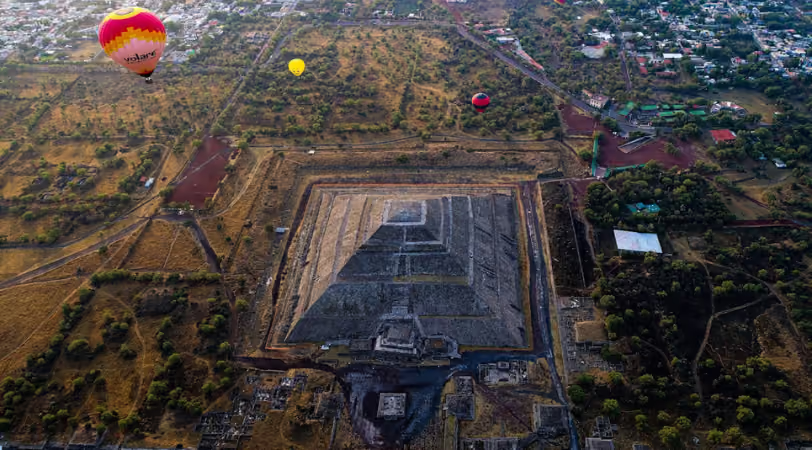
From Pyramids to Tequila: A 13-Day Adventure of History, Culture and Flavor
Embark on a 13-day journey through Mexico, exploring ancient pyramids, vibrant street art, rich cultural traditions, and savoring exquisite local flavors from bustling markets to renowned vineyards.
Read more
.avif)

.avif)


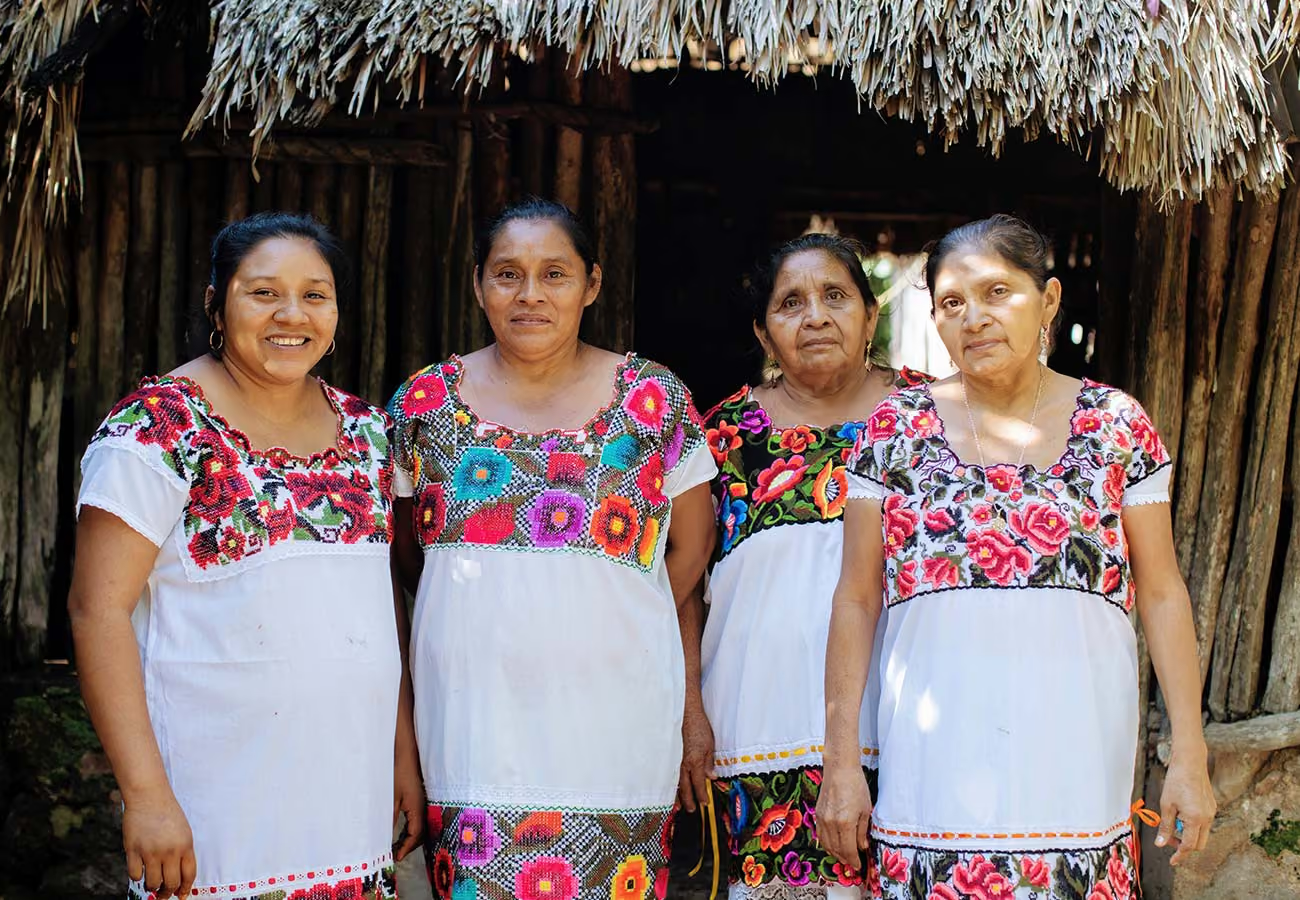
Loved by Travelers. Guided by Locals.

Google & Tripadvisor rating of
4.9 across 1,000+ travelers

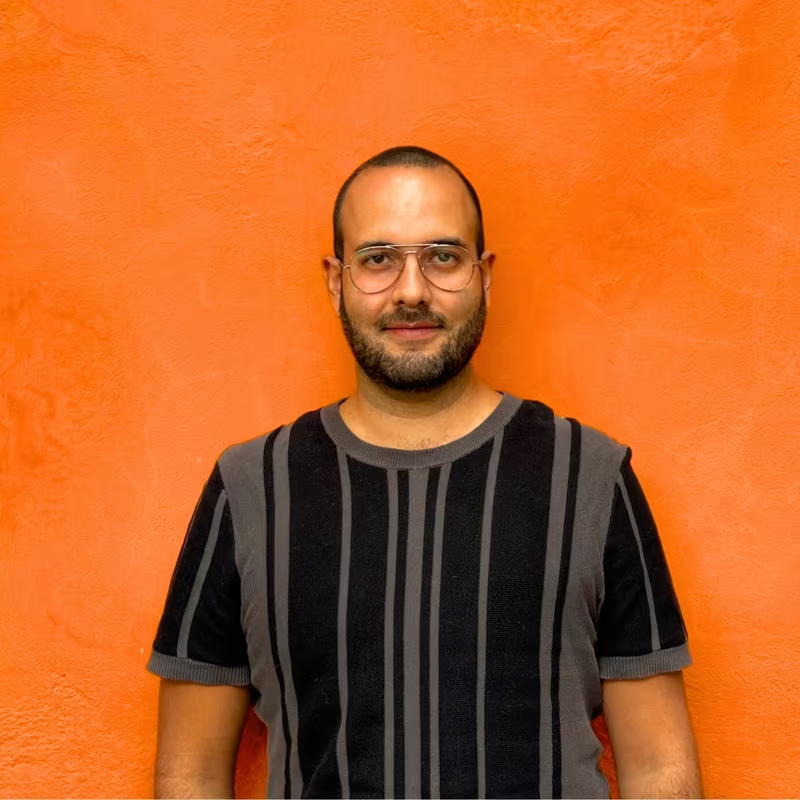
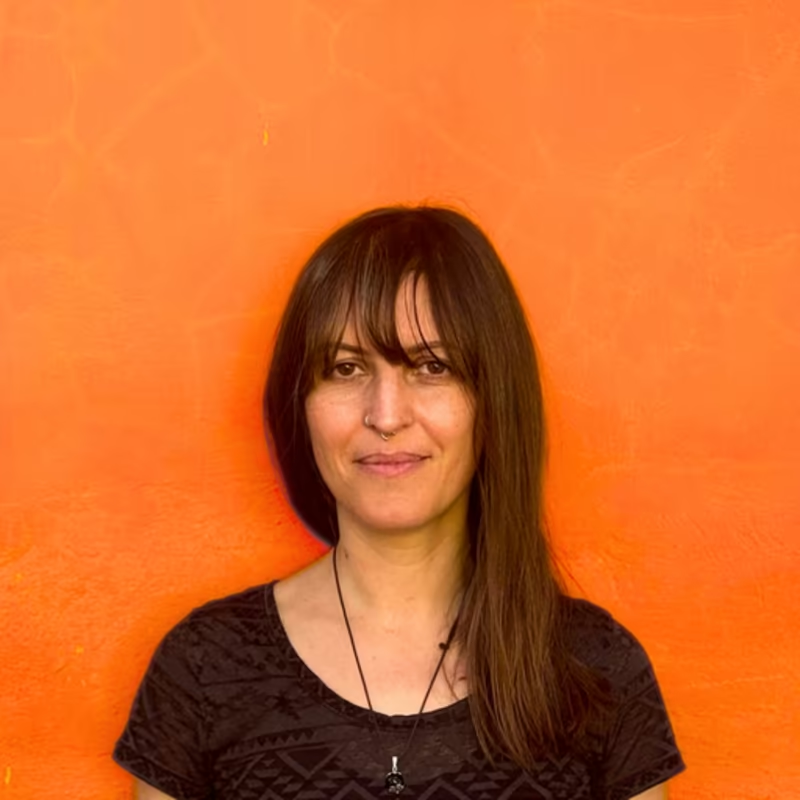
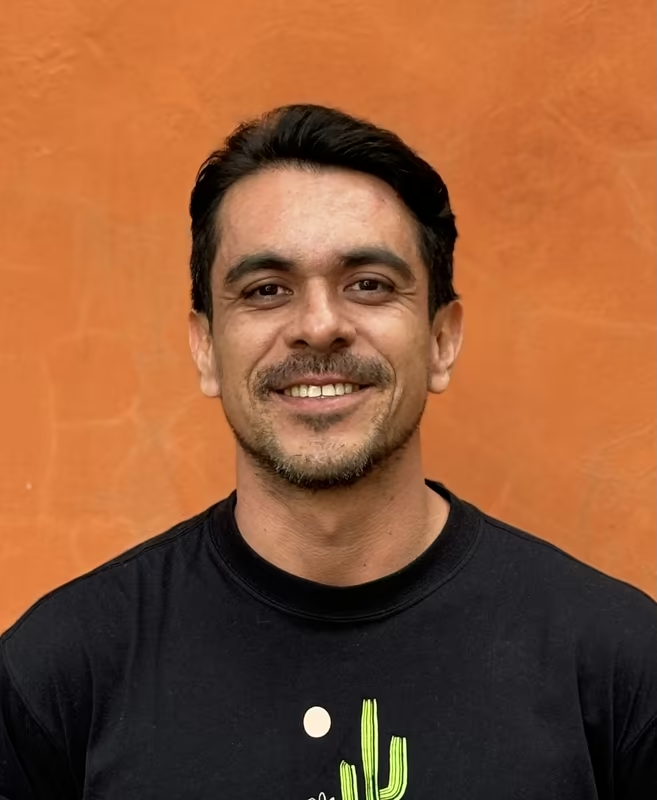
Meet our travel experts
A common concern that a visitor experiences is how well the product or service will be supported. Introducing the team eases fears while showing confidence.




Join us on this
journey
Plan your trip with usjourney
Join our newsletter to stay up to date on features and releases.
Oups ! Une erreur s'est produite lors de l'envoi du formulaire.